top of page


I will go to school
Rituraj Mishra
Author:
Publisher:
StoryWeaver Community
Description:
Ri is a cute little girl of 4 years old. She is so excited to start school soon. She is very excited about it. Her mother has told her all about the school. As she imagines what she will do at school, Ri is filled with vivid imagery. This is a cute story to give kids a beautiful picture of a school. It will help them develop a positive attitude towards school.
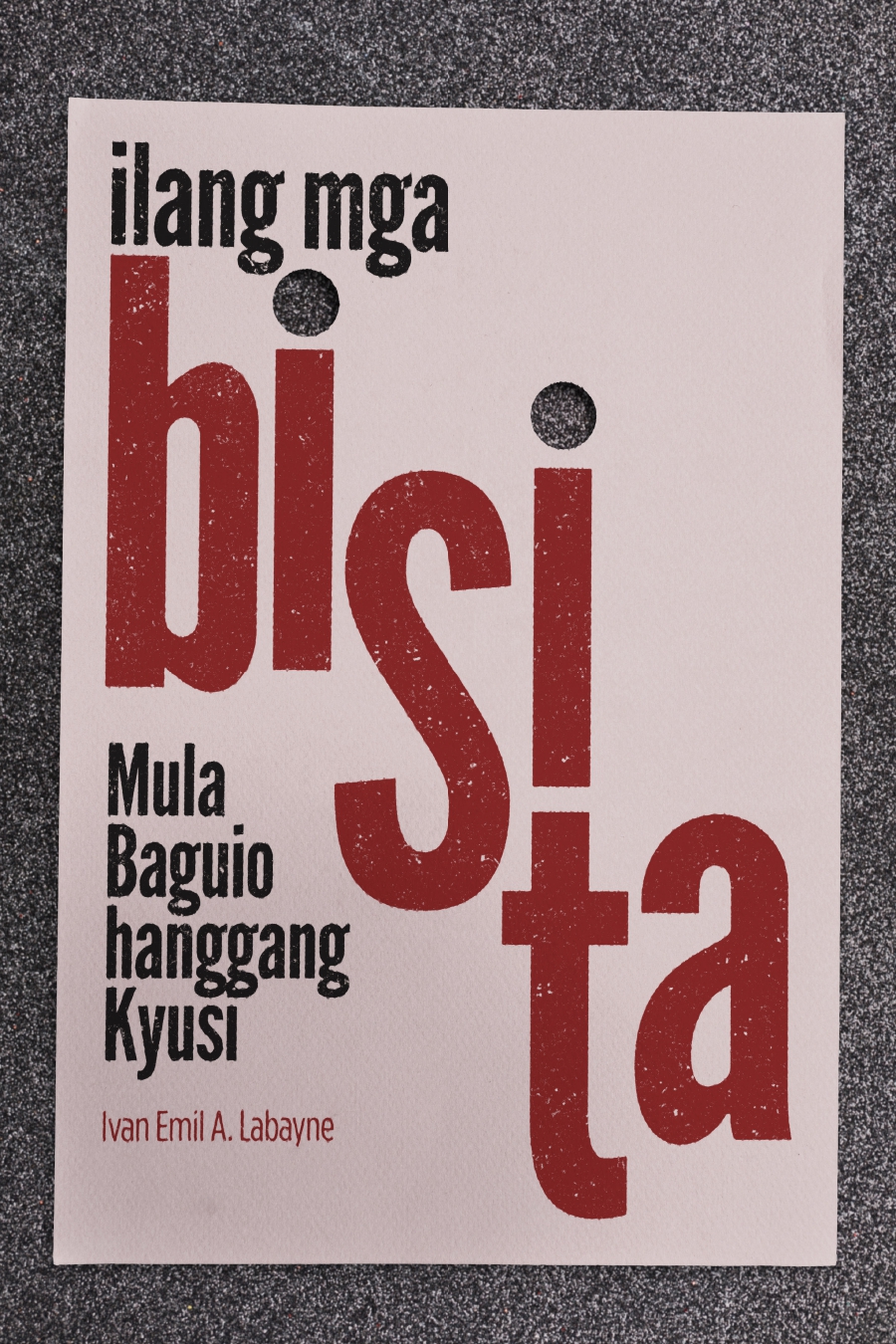
Ilang mga Bisita Mula Baguio hanggang Kyusi
Ivan Emil A. Labayne
Author:
Publisher:
Sentro ng Wikang Filipino Unibersidad ng Pilipinas Diliman
Description:
Tinipon sa manuskrito ang mga piling tulang naisulat sa loob ng halos pitong taon, sa magkakaibang lugar—ngunit pinakamarami sa siyudad ng Baguio kung saan pinakamatagal na nagbase ang may-akda—at sa magkakaibang disposisyon at antas ng maturity sa pagtula at paggagap sa lugar at bisa nito sa lipunan. Mababakas sa mga tula ang magkakaibang rehistro o tono at mga tiyak na kaganapan sa lipunan—pagdukot kanila Karen Empeño at Sherlyn Cadapan, pagtanggal sa puwesto kay Ma. Lourdes Sereno, Maguindanao Massacre, at iba pa. May ilang tula ring nauna nang binasa sa mga open mic at iba pang aktibidad sa Baguio: Third Monday poetry readings sa Mt. Cloud Bookshop, commemoration noong 2017 at 2019 ng Ampatuan Massacre, “ghost readings” sa bisperas ng Undas para sa mga biktima ng tokhang. Kung gayon, hindi ikakaila ang tindi at lalim ng imprint ng siyudad ng Baguio—na siya ring lunan ng pagkamulat at pagyabong ng poetika at politika ng may-akda—sa koleksiyong ito. Subalit hindi akmang ilarawan ang koleksiyong ito bilang tungkol sa Baguio; bagkus, ang Baguio ay kongkretong sityo ng may-akda at ng pagsisimula at pagyabong ng pangkulturang sensibilidad nito.
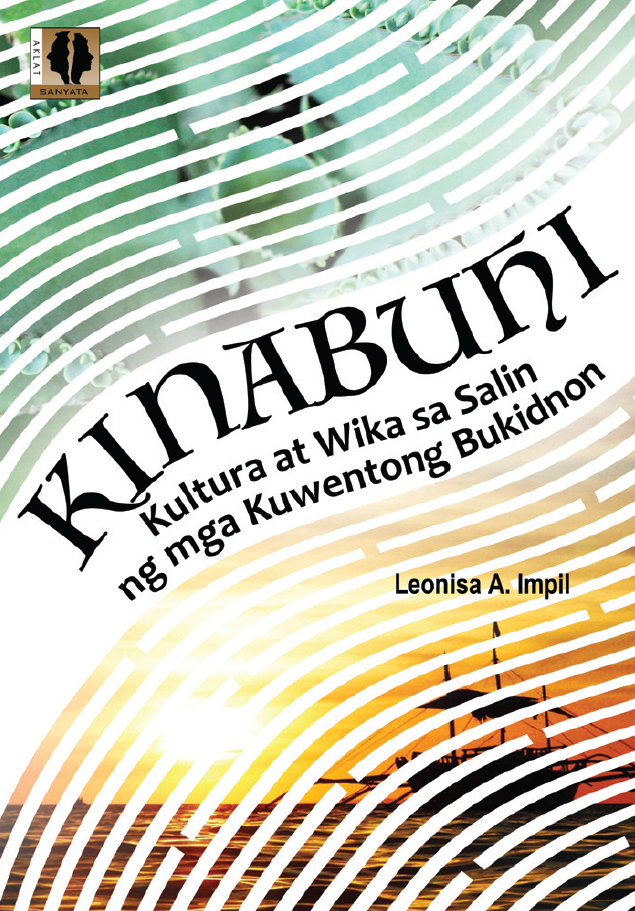
Kinabuhi: Kultura at Wika sa Salin ng mga Kuwentong Bukidnon
Leonisa A. Impil
Author:
Publisher:
Sentro ng Wikang Filipino Unibersidad ng Pilipinas Diliman
Description:
Ang aklat ay isang pagsasalin ng mga katutubong kuwento ng mga Bukidnon sa sitio Cabagtasan, Barangay Codcod, Lungsod ng San Carlos, Negros Occidental kung saan naninirahan ang mga humigit-kumulang sa tatlong daang mga Bukidnon.
Si LEONISA A. IMPIL ay isang Assistant Professor II ng Carlos Hilado Memorial State College, Lungsod Talisay, Negros Occidental. Nagtapos ng Master sa Arte (Filipino–Pagsasalin) at kasalukuyang nagpapakadalubhasa ng Doktorado sa Pilosopiya (Filipino–Pagsasalin) sa Unibersidad ng Pilipinas, Diliman, Lungsod Quezon.

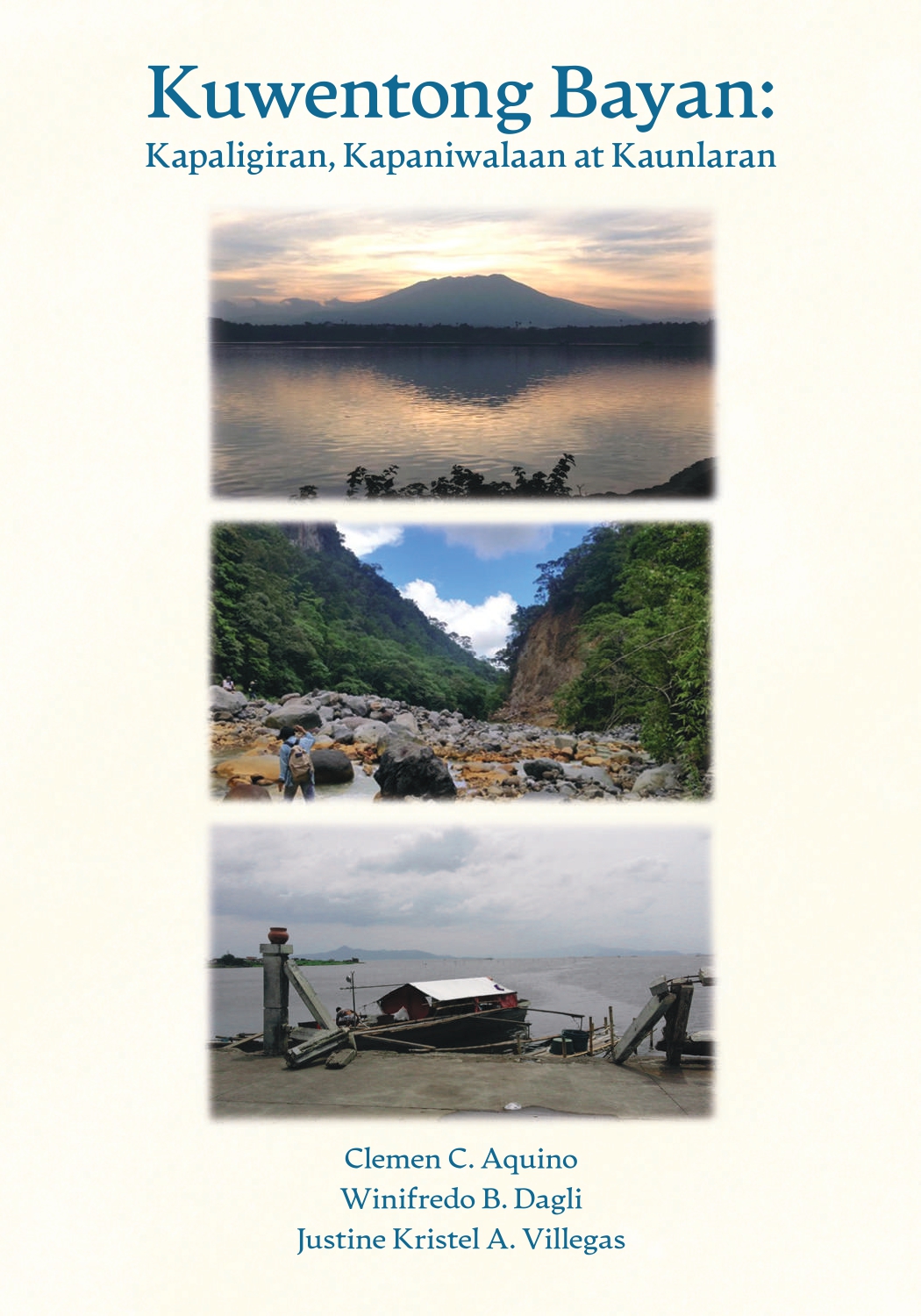
Kuwentong Bayan: Kapaligiran, Kapaniwalaan at Kaunlaran
Clemen C. Aquino, Winifredo B. Dagli and Justine Kristel A. Villegas
Author:
Publisher:
Sentro ng Wikang Filipino Unibersidad ng Pilipinas Diliman
Description:
Ang sinapit ng Kabisayaan noong Nobyembre 2013 kaugnay ng Bagyong Yolanda at ang mga matitinding hamong idinulot nito sa lipunang Pilipino ang nagbunsod ng pag-aaral na ito mula sa akademikong larangan ng sosyolohiya at panlipunang pananaliksik. Sa diwa ng panlipunang pagbabanghay, inihain ang kuwentong bayan bilang isang disenyo ng pananaliksik na nakatuon sa pakikinig at pag-unawa sa mga pananaw at karanasan na may katuturan o saysay para sa mga mamamayan ng isang pook. Masasabing ang paggamit ng sariling wika sa pook-larangan ang diwang gumabay sa nasabing paglinang ng kuwentong bayan.
Mula 2014 hanggang 2017, itinuon ang pag-aaral sa tatlong pook-larangan na may natatanging kaugnayan sa mga mananaliksik. Mula sa kanyang masteradong pag-aaral na nakatuon sa Bundok Banahaw, ipinagpatuloy ni Winifredo B. Dagli ang pananaliksik sa mga usaping pangkapaligiran sa karatig bayan ng Sariaya, Quezon. Tinutukan naman ni Clemen C. Aquino ang pitong lawa sa San Pablo, Laguna, ang bayang kanyang nilakhan, at ang mga hamong pangkapaligirang hinarap sa daloy ng panahon. Mula sa karatig-bayan ng Cabuyao, binigyang-pansin naman ni Justine Kristel A. Villegas ang mabilis na pagbabagong nagaganap sa makasaysayang bayan ng Calamba dulot ng industriyalisasyon at mga kaugnay na usapin tulad ng paghina ng agrikultura at pagbaha sa panahon ng kalamidad.
Ipinakita ng pag-aaral na sa pagsasagawa ng panlipunang pananaliksik na nakatuon sa tinig at karanasan ng mga mamamayan sa pook-larangan, kasama na ang mundo ng social media, malilinang ang mga kuwentong bayan na nagpapakita ng maigting na pagkakaugnay-ugnay ng mga usaping pangkapaligiran, pangkapaniwalaan at pangkaunlaran. Ipinapakita rin na sa panlipunang pagbabanghay kung saan magkaagapay ang mga mananaliksik at mga kalahok ng pag-aaral, may pagkakataon na malinang din ang mga dalumat tulad ng taongbahay at taongbayan at mga kaakibat na kaparaanan ng pag-aaral na nagtataguyod ng mga pangangailangan at adhikain ng malawakang bayan.
Ang pag-aaral na ito ay isinagawa sa ilalim ng Gawad Saliksik-Wika ng Sentro ng Wikang Filipino UP Diliman.
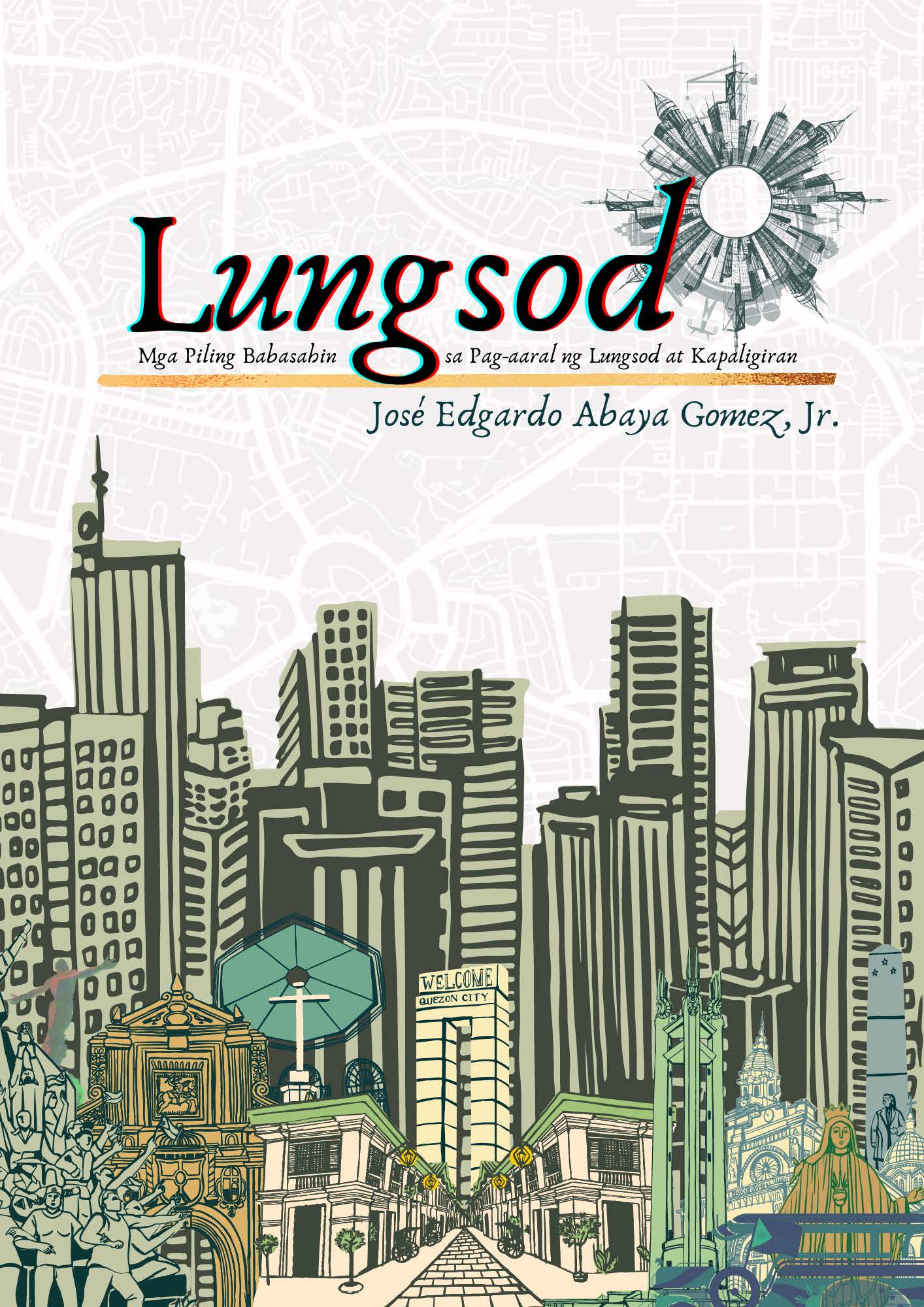
LUNGSOD: Mga Piling Babasahin sa Pag-aaral ng Lungsod at Kapaligiran
José Edgardo Abaya Gomez, Jr.
Author:
Publisher:
Sentro ng Wikang Filipino Unibersidad ng Pilipinas Diliman
Description:
Sino ang unang nagpanukala na ipagsama ang pinakamagandang katangian ng lungsod at kabukiran sa isang komunidad na punô ng hardin? Anong mahalagang seremonya ang sinusundan ng mga Romano sa pagtatag ng kanilang mga pamayanan? Ano nga ba ang Tragedy of the Commons? Paano basahin ang lupa at tubig? Ang sagot sa mga tanong na iyon ay matutuklasan sa mga pahinang ito, akdang nagkalap ng mga batayang babasahin sa larangan ng pagpaplano, pag-aaral ng kapaligiran, at iba pang mga napaka-interesanteng ideya tungkol sa pagtatayo at pagpapaganda ng pamayanang pantao. Kasama rito ang mga dalumat ng mga sikat na urbanista tulad nina Jane Jacobs, Lewis Mumford, at Kevin Lynch, mga sikat na naturalista tulad nina Aldo Leopold, Rachel Carson, at John Muir, at pati na rin iilang hango mula sa mas magagaan at malikhaing akda nina Mark Twain at James Hilton.
Isinalin ni Dr. José Edgardo Abaya Gomez Jr. mula sa Ingles at iba pang wika ang koleksiyon ng mga siping ito, hindi lang para sa mga akademiko at estudyanteng nagaaral ng pagkumpone ng isang lungsod, bagkus para sa karaniwang mamamayan na nais pumasok sa mundo ng mga nagpaplano ng espasyo, at makisali sa mga usaping urbanismo.


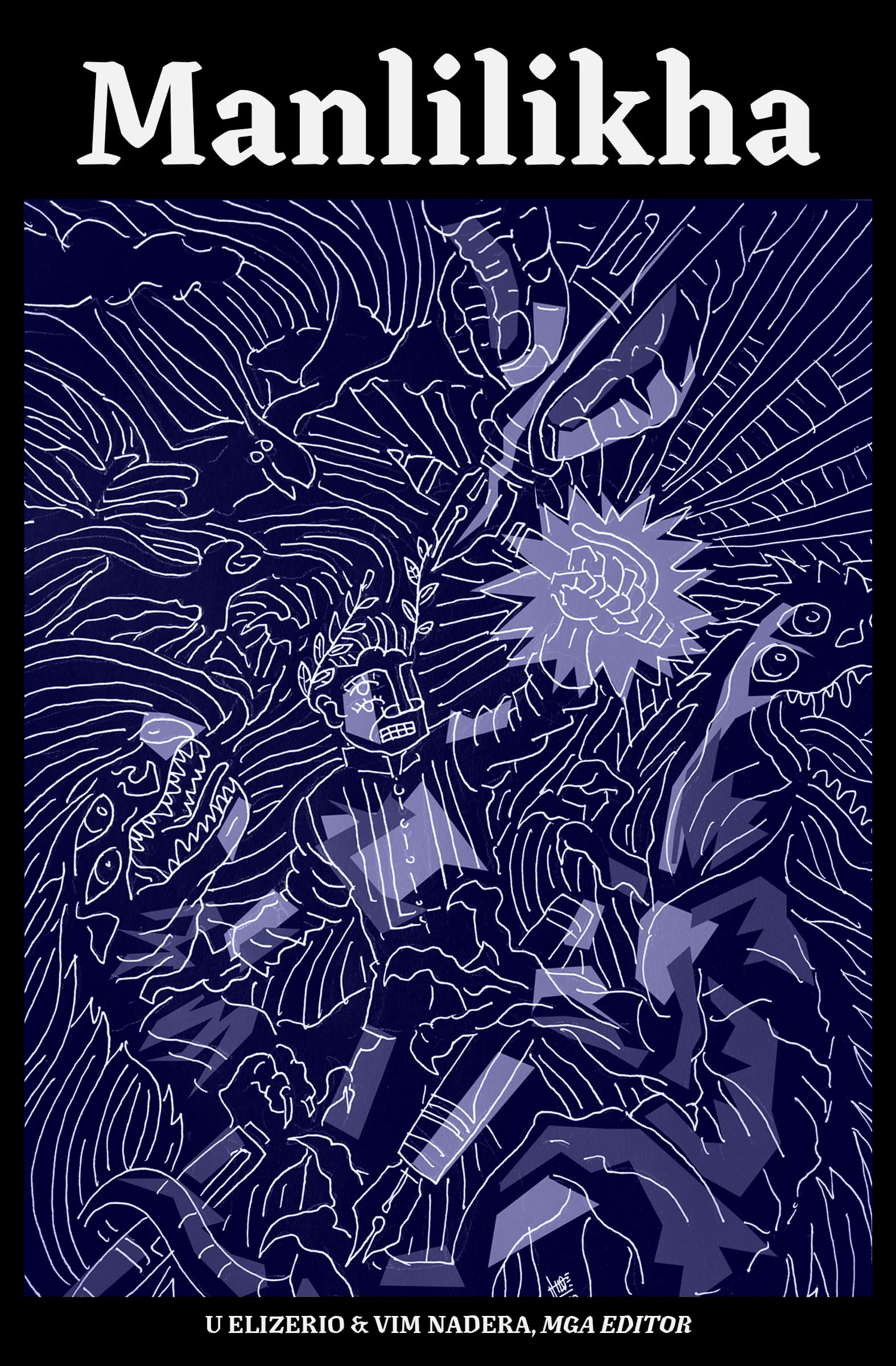
Manlilikha
U Eliserio, and Vim Nadera
Author:
Publisher:
Sentro ng Wikang Filipino Unibersidad ng Pilipinas Diliman
Description:
Ang Manlilikha ay literary folio ng mga mag-aaral ng malikhaing pagsulat ng UP Departamento ng FIlipino at Panitikan ng Pilipinas. Ito ay isang publikasyon na inilalathala isang beses kada taon ng DFPP, Kolehiyo ng Arte at Literatura, Unibersidad ng Pilipinas. Ito ay monolingguwal sa Filipino; maaaring maglathala sa rehiyonal na wika sa Pilipinas ngunit may lakip na salin sa pambansang wika. Layunin ng publikasyon na ito na magsilbing dagdag na plataporma ng mga mag-aaral ng malikhaing pagsulat para sa publikasyon ng kanilang mga malikhaing akda.
Para sa kauna-unahang isyu ng Manliikha, nagsilbing mga editor sina U Eliserio at Vim Nadera.
bottom of page